- Integrative Health Group1502 Allen St
Springfield, MA 01118413-782-9800 - Acupuncture of Greater Hartford & Springfield35 Nod Road
Avon, Connecticut 06001860-836-1068 

Health WellNews
Acupuncture and Fall Foods
The dropping temperatures and colorful landscape can only mean one thing: fall is right around the corner. Also known as the Autumnal Equinox, the fall season begins on September 23 and lasts until December 21. During this time many people will succumb to illness, such as the common cold, flu virus (influenza) or infections, but the good news is that you can protect yourself from seasonal fall sickness by eating the right foods and seeking the services of a licensed acupuncturist.
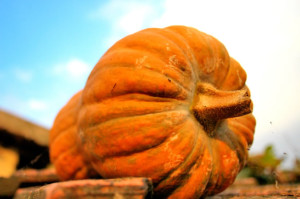
Pumpkins
Pumpkins aren’t used strictly for making spooky Halloween jack-o-lanterns; they are also a nutrition-packed fruit that’s loaded in beneficial vitamins and minerals. Pumpkins are classified as a member of the Cucurbitaceae family, which is the same family as squash, cantaloupes and cucumbers. This festive orange fruit is loaded in variety of free radical-fighting antioxidants, such as leutin, xanthin and carotenes.
Pumpkin seeds are equally as nutritious as the actual fruit. They are an excellent source of fiber, monosaturated fatty acids (the good fat), protein, selenium, zinc and iron. So instead of tossing the pumpkin “guts” in the trash, bake them on a cookie sheet for a nutritious snack.
Apples
The adage “an apple a day keeps the doctor away,” holds true during the fall season. When you feel the onset of a hunger craving, grab an apple. It’s a sweet and delicious fruit that’s chalk full of beneficial vitamins.
Apples contain vitamin A, vitamin C, vitamin B-6, iron, magnesium, calcium, potassium and fiber. And at just 90 calories per serving, it’s a great snack choice for people who are trying to lose weight.
Brussels Sprouts
A third food that you should include in your diet this fall is Brussels sprouts. Sprouts boost immune function with their high concentration of vitamin A. and antioxidants. Brussels sprouts are also rich in protein and dietary fiber, which is just one more reason why they should be a regular part of your diet.
If you don’t prefer the taste of plain Brussels sprouts, you can make them a bit more palatable by roasting them in the oven with a glaze of olive oil and all-natural sea salt. This will create a caramelized coating that compliments its natural flavors..
Beat Seasonal Fall Illness With Acupuncture
If you really want to safeguard yourself against illness this fall season, you should consider scheduling an appointment with a licensed acupuncturist. People from across the world have used this ancient practice for centuries to ward off disease and improve their overall health. Acupuncture works by stimulating the body’s natural healing mechanism, which subsequently boosts the immune system and white blood cell (WBC) count.
Boost Your Immune System Using These Two Points
Lu 7 and St 36
Although they are invisible to the naked eye, we are exposed to millions upon millions of germs. Bacteria, viruses , fungi and protozoa are found on nearly every surface, including doorknobs, furniture, office supplies, phones, remote controls, and even the food we eat. Thankfully, most of these germs are harmless and pose no direct threat to our health, but there are others which aim to cause infection and illness. You can safeguard yourself against these foreign invaders, however, by utilizing the Lu 7 and St 36 acupuncture po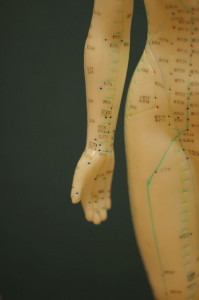 ints.
ints.
Lu 7 Acupuncture Point
The Lu 7 (also known as the Lieque 7 or Lung 7) is an acupuncture point that’s commonly used to treat bodily infections while subsequently boosting the immune system. To locate it, form a “thumbs up” gesture with your hand and look for the small crease in your skin at the base of your thumb. The Lu 7 acupuncture point is found roughly 2 finger-lengths up the wrist from this crease. It’s most easily identified by feeling around this area of your wrist for a subtle depression at the bottom of two tendons.
Lu 7 is known to offer relief of the following symptoms:
- Sore throat
- Runny nose
- Nasal congestion
- Chest congestion
- Body aches
- Fever
- Headache
- Muscle cramps
Stu 36 Acupuncture Point
The St 36 (also known as Zusanli, Leg Three Mile or Stomach 36) is another powerful immune-boosting acupuncture point. Don’t let its name fool you into thinking it’s located on the stomach, though. St 36 is actually located on the underside of the leg, directly behind and below the patella.
St 36 receives its namesake for the symptoms it’s used to treat. While Lu 7 focuses on cold and fever-like symptoms, St 36 is used more digestive problems.
Lu 7 is known to offer relief of the following symptoms:
- Constipation
- Diarrhea
- Acid reflux
- Heartburn
- Gas
- Low energy
How Lu 7 and St 36 Can Improve Immune System Function
The human body’s built-in mechanism for defending against germs and foreign invaders is the immune system. This complex system is comprised of a variety of different white blood cells, such as neutrophilis, eosinopholis, monocytes and basophils, that actively seek out and neutralize harmful germs. Acupuncture treatments using the Lu 7 and St 36 stimulate the immune system so it produces more of these “fighters,” which in turn keeps us healthy while protecting against disease and illness.
Photo Credit: Thunderchild7 via Flickr Creative Commons.
6 Tips To Keep You Strong and Healthy This Fall
According to the Centers For Disease Control and Prevention (CDC), approximately 5-20% of people in the U.S. will catch the flu virus, 200,000 of whom will be hospitalized due to the complications (source). Although you can catch the flu virus at any time of the year, it’s far more prevalent during the fall and winter months. To protect yourself against the flu, colds and other illnesses this fall, check out the following 6 tips.
#1) Stay Active
Exercise plays a direct role in the human body’s immune function. Whether it’s running, jogging, playing tennis, or using your preferred machine at the gym, physical activity stimulates white blood cells and antibodies, sending them throughout the body. This improves the immune system’s ability to fight off infectious diseases, so be sure to exercise on a regular basis this fall.
#2) Increase Your Vitamin C Intake
Vitamin C is a naturally occurring antioxidant that can improve your health and protect against illness. A study conducted in 2007 found that a daily 200 milligram dose of vitamin C when taken at the onset of a cold shortened its duration by 8% in adults and 14% in children. With fall and winter being the prime time of year for colds, it’s a good idea to supplement your daily diet with at least 75 milligrams of this powerful antioxidant.
#3) Cut Back on Refined Sugars
Consuming too much refined sugar can increase your risk of developing type II diabetes, obesity and cardiovascular disease. It’s also been proven to suppress the immune system, leaving individuals more susceptible to disease and illness.
So, how sugar should you consume to stay healthy throughout the fall season? The American Heart Association (AHA) currently recommends a maximum of 37.5 grams of refined sugar per day for men and 25 grams for women.
#4) Eat Fall-Colored Foods
Yet another way to improve your health is to eat more fall-colored foods. Generally speaking, the more color you have on your dinner plate, the better. Foods that are bright orange, red and green are all excellent sources of vitamins and antioxidants. Some ideas include squash, bell peppers, zucchini and broccoli, all of which will help keep you healthy this fall season.
#5) Make a Soup
There’s no better time than the chilly fall season to make a hearty beef and vegetable soup. Avoid store-bought soups, which are usually loaded in sodium and preservatives, and instead make your own from scratch. This allows you to include a variety of beneficial vegetables and seasoning, tailoring it to your own personal preference.
Summertime Foods
As the weather grows warmer we often become more active and participate in a variety of outdoor activities. An ideal summer diet is light and filled with fresh foods with high water content, and brightly colored with summer fruits and vegetables.
Foods for a Summer Diet
BEANS
- Adzuki
- Garbanzo
- Green
- Kidney
- Sprouted
FRUIT
- Apricot
- Avocado
- Banana
- Blackberry
- Blueberry
- Cantaloupe
- Grapes
- Grapefruit
- Lime
- Mango
- Nectarine
- Orange
- Papaya
- Pineapple
- Peach
- Pear
- Plum
- Raspberry
- Strawberry
- Watermelon
GRAINS
- Brown rice
- Millet
- White rice
NUTS
- Almonds
HERBS
- Chili pepper
- Chives
- Cilantro
- Fennel
- Green tea
- Mint
- Parsley
- Peppermint
SEEDS
- Pumpkin
- Sesame
- Sunflower
VEGETABLES
- Beets
- Cabbage
- Carrot
- Celery
- Chard
- Collard greens
- Corn
- Cucumber
- Green peas
- Lettuce
- Parsnip
- Radish
- Rhubarb
- Spinach
- Squash
- Sugar peas
- Sweet potato
- Tomato
- Yams
- Zucchini
Each organ has a specific flavor that affects it. Foods with a bitter taste stimulate the function of the heart. These include green leafy vegetables such as endive, escarole, lettuce and watercress, coffee, tea and chocolate. These foods can nourish the heart, but consumed in excess do more harm than good.
Raw fruits, fresh salads, cool soups and lightly cooked meals of grains and vegetables are adequate this time of year for healthy, vigorous adults. Sprouted vegetables and grains can be mixed in with a variety of dishes to help maintain a cool body temperature.
You can even add a bit of spicy, pungent or fiery flavors. At first, spicy, fiery foods may raise the body temperature, but ultimately they can draw body heat out to the surface where it can be dispersed. For this purpose you can cook with red and green hot peppers, fresh ginger, red pepper, black pepper or cayenne. But don’t overdo it. Keep your summer spice intake to a minimum.
If you are sautéing foods, use high heat for a short period of time. When simmering or steaming foods, do it as quickly as possible so you can retain the fresh tastes.
Consuming heavy foods on hot days can make you feel sluggish and slow down your digestion. Such foods include eggs, grains, seeds, nuts and meats. As a rule of thumb, eat heavier meals in the morning or evening. This type of summer diet can help you feel lighter in the heat of the day, maintain your energy, and aid in weight loss.
For better digestion and assimilation of nutrients, avoid mixing too many foods together at one sitting. Fruits and juicier foods are best eaten alone or between meals. Summer heat along with too many cold drinks can weaken digestive organs and impair digestion; too much ice cream and iced drinks are best avoided.
Summer invites us to become more active. Just be sure to stay hydrated by consuming enough water, juices and herbal teas.
The Season of Summer
Ahh, summer…
time for long, sunny days, warm weather, and brightly-blooming gardens. But the season is also significant in another way. According to Traditional Chinese Medicine (TCM), the body’s Organ systems are most accessible during specific times of year. During the late summer, the Spleen and Stomach are most active and most open to influence both positive and negative.
The Spleen and Stomach are associated with the Earth element, as well as certain colors, sounds, times of day, and other correspondences (see table). The Earth element is related to security, feeling grounded and the natural rhythms of life.
The Spleen performs many functions, including:
- Transforming food and fluids into energy
- Transporting energy to muscles, flesh and limbs
- Ensuring that blood circulates throughout the body
- Producing a “lifting” effect, keeping the internal organs in place
- Governing our capacity for thinking and concentration
The Stomach is paired with the Spleen, and helps to digest food and transform it into energy. When the Spleen and Stomach are in balance and Qi (“life energy”) is flowing freely through them, the body will have physical energy and vitality, good muscle tone, a healthy appetite and good digestion. The Spleen and Stomach can be affected by many factors, including poor diet and eating habits, lack of exercise, excessive concentration, worry and stress.
If your Spleen and Stomach are out of balance, you may experience uncomfortable symptoms (see table on front). Even if you’re not experiencing symptoms, it’s an especially good time to receive preventive acupuncture care. Acupuncture and Traditional Chinese Medicine provide a natural approach to restoring and maintaining balance. When we strive for optimal balance, we achieve good health throughout the year.
By allowing Qi to flow freely, acupuncture can help your body heal itself and help you make the most of all the energy and fun of summer!
Food for Body, Mind, Spirit
Acupuncture and the Heart
Research has shown that acupuncture can improve the health of patients who experience severe heart problems by dramatically reducing the activity in the sympathetic nervous system that regulates heartbeat and blood pressure.
The study conducted through the Los Angeles School of Medicine suggests that acupuncture can be used “successfully with long-range results in improving hypertension, and it may also be beneficial in lowering sympathetic nerve activity.”
Overactivation of the sympathetic nervous system is common with patients who suffer from heart problems. Over time, this may cause the heart to work harder, forcing blood to flow through blood vessels that are constricted due to heightened nerve activity.
The study showed that sympathetic nerve activation was significantly reduced in those individuals who received acupuncture care compared to those who only received a placebo. The lead physician in the study, Dr. Middlekauff, suggests, “that more study is needed before acupuncture can be recommended, but acupuncture has been used successfully and with long-range results in improving hypertension, and it may also be beneficial in lowering sympathetic nerve activity.”
Middlekauff HR. Acupuncture in the treatment of heart failure. Cardiol Rev. 2004 May-Jun;12(3):171-3.
Walk Your Way to Better Health
Starting a new fitness routine can be a little daunting, but improving your health doesn’t have to be complicated. In fact, it can be as simple as putting one foot in front of the other!
Why walk?
Walking is an effective, easy, and low-impact way to improve your health. In fact, regular physical activity such as walking can provide major benefits, including:
- Reduced risk of heart disease
- Weight loss
- Lower blood pressure and cholesterol
- Reduced risk of developing diabetes
- Stress relief
Getting started
Set aside some time in your day, choose a safe route, invest in some comfortable walking shoes, and go! While it’s ideal to get at least 45 minutes of moderate exercise a day, any amount of activity can be beneficial. Remember, start slowly and work your way up if you haven’t been exercising regularly. Aim to walk a short distance three times a week, and increase your distance and speed gradually.
Stay motivated by walking with a partner, listening to music, or choosing a route that you really enjoy. Try carrying a pedometer to keep track of how far you’ve gone. As your body adjusts to the new activity, you may find that you have more energy, your moods feel more balanced, and you feel healthier overall. If you set realistic goals and stick to them, you’ll be amazed at what a simple daily walk can do for your health!
Cool-Out Summer Salad
- 6 medium tomatoes
- 2 small cucumbers
- 4 radishes, sliced
- 2 scallions, minced
- 1 large dill or sour pickle, minced
- 1 bell pepper, minced
- 1/2 cup green olives, sliced
- 1/2 cup red onion, minced
- 1/2 cup fresh parsley, minced
- 3 tbsp. olive oil
- 1 – 2 tbsp. fresh lemon or lime juice
- salt and pepper to taste
Allow salad to marinate for 1 hour.
Cut tomatoes in half, squeeze, discard seeds, and cut into 1/2 inch pieces.
Toss all ingredients together. Serve cool or at room temperature.
Acupuncture 101: Kidneys
Winter is the season for the kidneys & bladder.
In Western medicine, kidneys are the organs that filter and purify blood. They maintain pH, mineral and electrolyte balance by removing excess water and salts to create urine. The urine is then stored in the bladder until you pee.
In Traditional Chinese Medicine (TCM), the kidneys and bladder are seen as an energetic system, bigger than just the physiological function of the organs themselves. To TCM, the kidneys govern reproduction, produce bone marrow, influence growth and development and control sexual energy.
From a TCM perspective, there are several kidney functions that differ from a Western perspective.
Like in Western medicine, the kidneys are responsible for water metabolism. However, instead of understanding water and salts from a bio-chemical perspective, TCM describes fluid as clear or turbid. Clear fluid is lighter and the kidneys send it upward to moisten the lungs. Turbid fluids are heavier and they are sent downward to be released through the bladder.
One of the kidneys’ primary roles is storing the vital essence called Jing Qi. Jing is the essence of Qi and is responsible for reproduction and regeneration. There are two types of Jing—the Jing inherited from your parents and forming your basic constitution, and the Jing acquired from the food, water and air of your daily life. The kidneys store and control Jing, and this process influences growth and development, sexual maturation, reproduction and aging.
The kidneys are also in charge of “Zhi”—mental drive and courage. Zhi is the will to live and provides determination and focus to accomplish your goals and realize your dreams.
It’s important to provide care and nourishment to your kidneys. Eat warming foods, and avoid raw foods and cold drinks. While a green salad is OK now and again, winter is not the season to be salad-crazy. Eat soups and stews. Add extra root vegetables, squash, beans, miso and seaweed to your diet. Use garlic and ginger for flavor. If you want fruit, eat blueberries or blackberries.
And keep your kidneys warm. Wear long shirts and sweaters that come down to your hips. Better yet, make a haramaki (see sidebar) and wear it every day.
A Simple 4 Step Plan to Find the Time to Relax
Winter is a time to stop, pause and reflect. Your body and soul need a break from to-do lists, urgent priorities and busyness. It’s important.
But finding time is difficult. The whole reason you need a break from busyness is because you are so busy.
Making time to relax doesn’t have to be hard. Follow this simple 4 step plan and you’ll discover time you didn’t know you had. continue reading
Winter Feng Shui for a Healthy Home
In Traditional Chinese Medicine (TCM), all of life is influenced by seasonal cycles. You are probably familiar with this in acupuncture, but did you know that these cycles also affect your home?
The practice of making a home “healthy” is called Feng Shui. By directing the flow of Qi through your home in a balanced way, you can create an environment that promotes health and happiness to everyone who lives in it. Feng Shui gives rules to harmonize yourself with your home.
There are many ways that Qi is balanced in a home. Choosing harmonious colors, shapes and symbols, placing furniture auspiciously or strategically hanging wind chimes or mirrors are all typical Feng Shui practices. continue reading
Acupuncture 101: Understanding the 5th Season
In Traditional Chinese Medicine (TCM), late summer is a separate season.
But from a Western perspective, it doesn’t make sense. First of all, it’s a short season—from around the third week in August to the September equinox. And usually there’s nothing distinctive about late summer weather that makes it different from summer or fall.
Why have a fifth season?
Nature gives us the answer.
TCM is governed by the 5 elements, which represent the cycles of nature. Every plant and animal goes through the cycle of birth, growth, maturation, harvest and storage. Late summer corresponds to the “mature” part of the cycle. Plants are at their peak—fully mature with ripe fruits. It’s not quite harvest time, but it’s past the peak growing season.
One important quality of late summer is its transition from yang energy (active, hot and extraverted) to yin (reflective, cool and introverted). This pattern happens naturally. School resumes. People refocus on their routines. It’s a great time to reconnect with home and family. Even if you don’t identify late summer as a separate season, you probably make this transition anyway.
The earth element guides late summer. Its organs are the stomach, spleen, pancreas and muscles. Its color is yellow/orange and its taste is sweet.
Digestion is especially important in late summer. Pumpkin, squash, sweet potato, peaches, dates, apples, cherries, millet, almonds and coconut are all recommended late summer foods. While these foods have sweet flavors, remember that too much sweetness is not healthy. A big bowl of ice cream is still not a health food—even in late summer.
Earth guides our ability to think clearly. An imbalance in earth can lead to worry or obsession, but balance in earth gives a sense of calm, clarity and adaptability. Late summer is an excellent time to start or recommit to a meditative practice. By taking time quiet time, your daily activities will be more productive.
The emotions of earth are sympathy, compassion and nurturing. If you have considered volunteering, late summer is a good season to make that intention real.
Homemade Fruit Roll-Ups
Ingredients
• 2 ½ – 3 cups ripe or slightly over-ripe fruit, peeled and diced
• Sweetener to taste: honey, sugar, agave, etc.
• 2 teaspoons fresh lemon juice
Instructions:
Preheat oven to lowest temperature,
usually 140° – 200°F
Puree the fruit in a food processor until smooth. Taste and add the sweetener. Remember—the flavor will concentrate as the leather dries, so be sparing. Pour the mixture onto a baking sheet lined with plastic wrap or a silicone baking mat (don’t use foil, parchment, or waxed paper). Spread evenly so it is 1/8” thick. Bake for 6-8 hours until the center is not tacky. Remove from oven and peel off plastic wrap or baking sheet. Cut into strips. Store in airtight container
or freeze.
Tips:
• Suggested fruits: plums, peaches, nectarines, apples, strawberries, raspberries, grapes,
or mangos.
• The addition of sugar or honey enhances the texture and makes the fruit roll-ups chewier.
• If using plastic wrap, it will shrink a little as the fruit dries, so leave a little extra around the edges.